The Tsutsui Lab
 
   
  Department of Environmental Science, Policy & Management
University of California-Berkeley
137 Mulford Hall, MC3114
Berkeley, CA 94720-3114

326 Hilgard Hall (NDT's office)
3 & 245 Hilgard Hall (Lab)

photo by Marc Danzker


structural pest logo
Our research encompasses a variety of topics in the fields of evolution, behavior, molecular ecology, genetics & genomics.


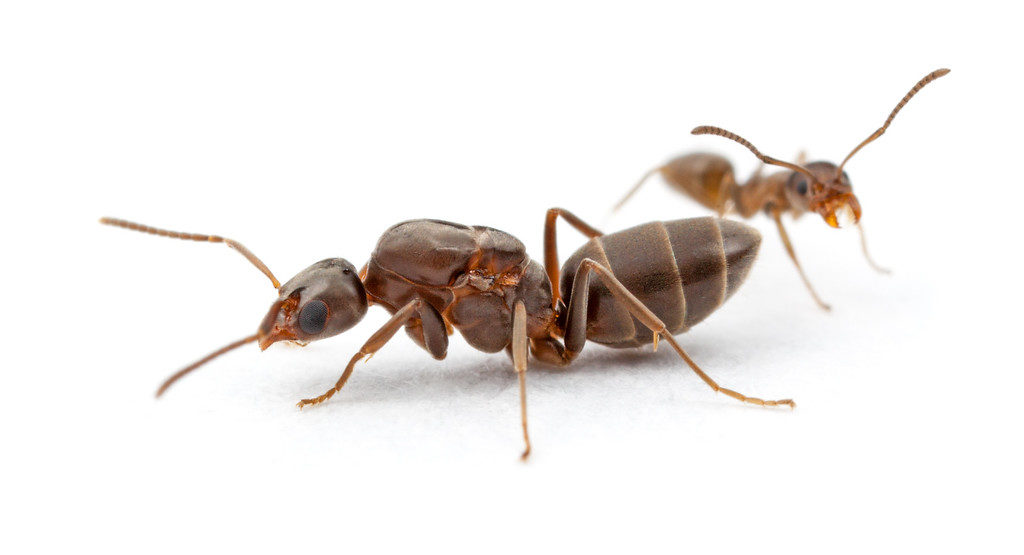
Altered Social Behavior and the Success of an Invasive Species: Biological invasions are a serious threat to global biodiversity, and much of our research is focused on a particularly damaging invader, the Argentine ant (Linepithema humile). Argentine ants have been introduced by humans to many of the world's Mediterranean-type ecosystems, where they disrupt ecosystems by displacing native species, cause indirect damage to crops by tending parasitic homoptera (such as aphids and scale insects), and are a common household pest. Moreover, introduced populations of Argentine ants are unicolonial, forming massive "supercolonies" that can extend for thousands of kilometers. The lack of aggression and territoriality within these supercolonies allows introduced populations to thrive and dominate invaded habitats. By studying the genetics and behavior of Argentine ants in their native and introduced ranges, we have shown how relatively simple genetic changes can impact higher levels of biological organization, producing altered behavior, novel forms of social organization, and ultimately transforming entire ecosystems. Because many other invasive ants are also unicolonial, the factors that allow Argentine ants to become such successful invaders may also explain the success of many other invasive social insects.
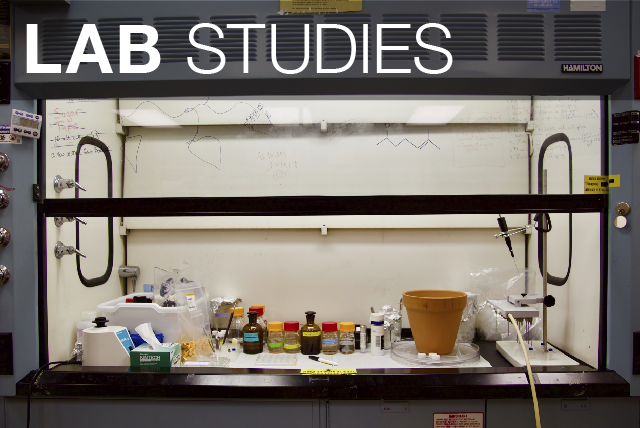
The Structure of Recognition Systems and the Evolution of Social Behavior: Some of our central interests include the genetics and evolution of social behavior, particularly the mechanisms used by organisms to distinguish self from non-self (in this case, colony members from non-members). Like many other social insects, Argentine ants use odor cues (chemicals known as cuticular hydrocarbons) to sniff out individuals who do not belong. We have identified several of these chemicals, and are performing experiments that quantify behavioral reactions to them across different individuals and different colonies. Our group currently has several ongoing projects in which we are examining how genetic diversity, genetic similarity, cuticular hydrocarbons, and individual behaviors can interact to produce highly organized and complex societies.

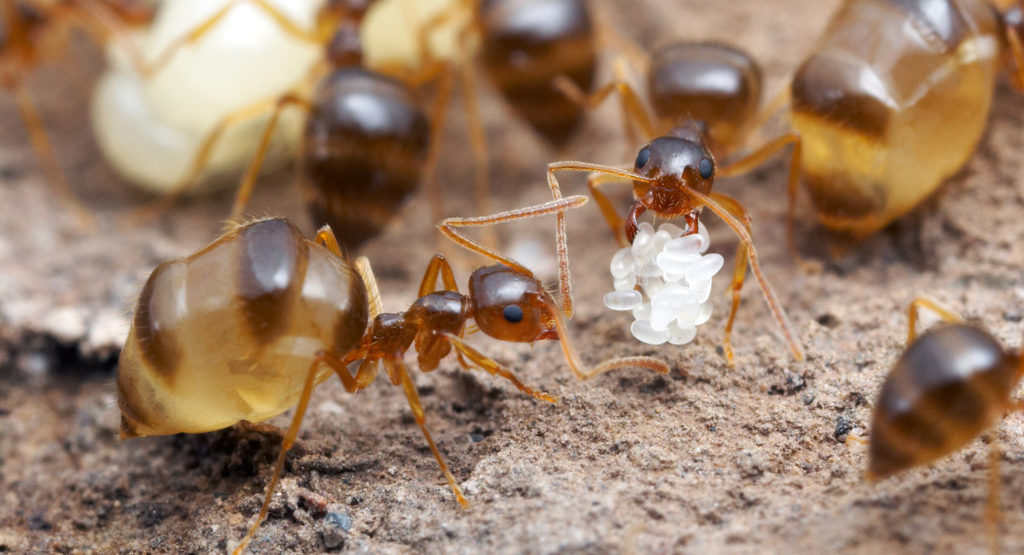
Host-Parasite Coevolution: We have begun to look at the interactions between parasites (or parasitoids) and their hosts in several different systems. In one study, led by graduate student Candice Torres, we are using molecular genetic tools to examine how slave-making ants in the genus Polyergus have co-evolved with the host species that they enslave. This system provides a fascinating model for examining how a variety of different behaviors and phenotypes can coevolve in the context of social parasitism. For another project, in collaboration with Luis Calcaterra (USDA South American Biological Control Lab) we are looking at how head-decapitating phorid flies (genus Pseudacteon) have co-evolved with the various ants that they parasitize. Other work in the lab is focusing how infections of the maternally-transmitted bacterium, Wolbachia pipiens, are distributed among populations infected insects, and how different strains of the bacteria are distributed across different species and genera in various ecosystems.

The Genetics and Genomics of Honeybees (Apis mellifera): In collaboration with Dr. Charlie Whitfield (University of Illinois, Urbana Champaign) and others, we have recently conducted genetic analyses of Old World (native) and New World (introduced) honeybees using SNP markers from the Honeybee Genome Project. This work has illuminated the relationships among the various subspecies of Apis mellifera that occur in Africa, Asia and Europe, and has allowed us to disentangle the long and complex history of honeybee introductions to the New World.

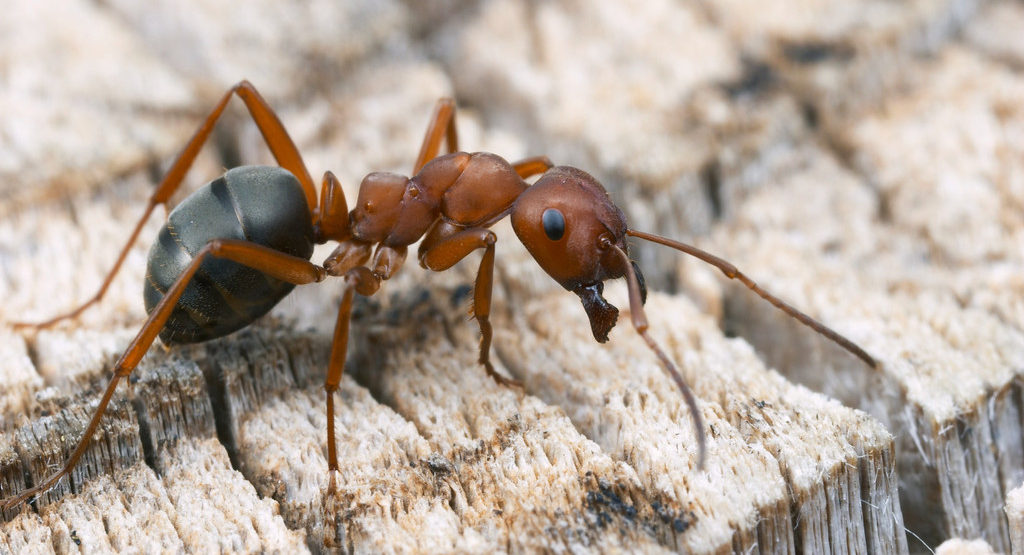
Conservation Genetics: We are using genetic tools to clarify how habitat loss and habitat fragmentation affects patterns of genetic diversity and gene flow in insect populations of southern California. Current work is focusing on the population genetics of native species of harvester ants (Pogonomyrmex), and we hope to conduct similar analyses of native army ants (Nievamyrmex), winter ants (Prenolepis imparis) and native and introduced beetles (Carabidae and Tenebrionidae).